The Importance of Water Treatment Polymer in Modern Environmental Solutions
In today's context of escalating environmental challenges, the role of water treatment polymers has actually become a foundation of efficient water purification procedures. These polymers not just improve the efficiency of contaminant elimination with coagulation and flocculation but also add to sustainability by minimizing chemical usage. As markets progressively focus on conformity with rigid environmental regulations, recognizing the different applications and benefits of these polymers comes to be essential. The landscape is progressing, and the implications for future water therapy methods warrant a closer assessment. What developments lie in advance in this important field?
Duty of Water Therapy Polymers
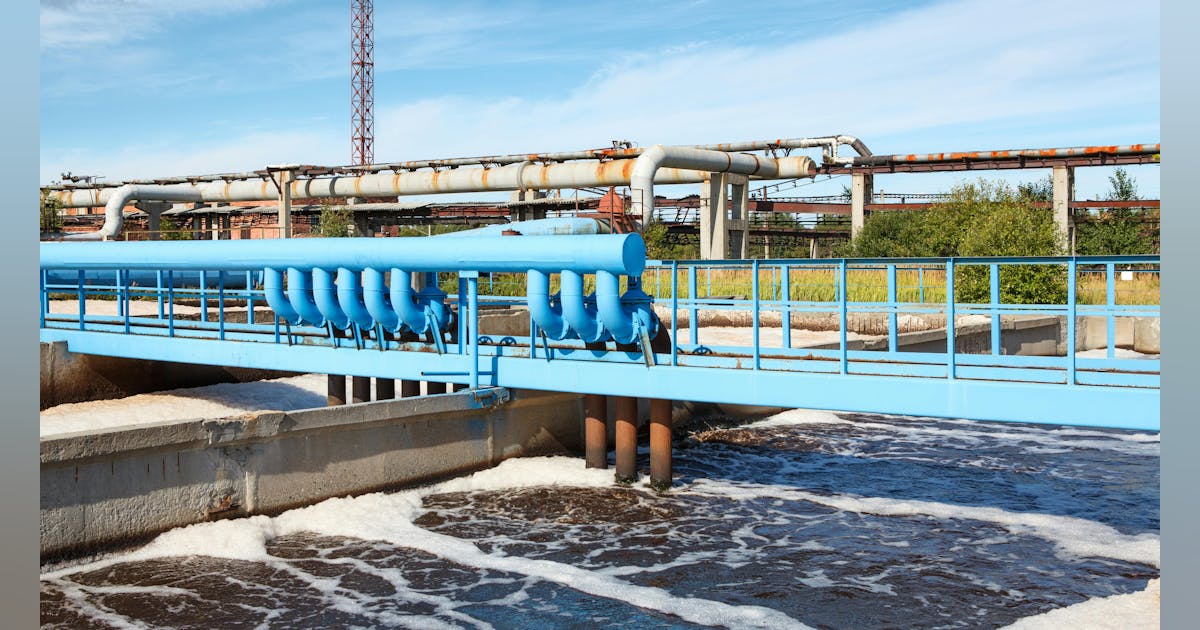
Water treatment polymers play a crucial role in improving the performance of water purification processes. These artificial natural substances function mainly as coagulants and flocculants, facilitating the gathering of put on hold particles and colloids in water. By advertising the formation of larger clusters, or flocs, these polymers dramatically boost the sedimentation price and filtering efficiency, leading to more clear and cleaner water.
In addition to their coagulation and flocculation properties, water therapy polymers can also help in the removal of particular pollutants, including heavy metals and organic toxins. They accomplish this by changing the surface area attributes of particles, which boosts their interaction with other therapy chemicals. In addition, using polymers can minimize the quantity of chemical ingredients needed in therapy processes, therefore reducing potential environmental impacts.
An additional critical facet of water therapy polymers is their capacity to do successfully throughout a series of conditions, including varying pH levels and temperatures. This flexibility makes them crucial in both municipal and commercial water therapy centers. Inevitably, the function of water therapy polymers is essential for guaranteeing compliance with environmental policies and attaining sustainable water administration techniques.
Benefits of Polymer Usage
The usage of polymers in water treatment processes offers countless benefits that boost both operational performance and ecological sustainability. One significant benefit is the boosted performance in coagulation and flocculation, which brings about enhanced elimination of put on hold solids and pollutants from water sources. This effectiveness not only leads to cleaner water yet additionally minimizes the demand for extreme chemical ingredients, promoting an extra environment-friendly approach to water therapy.
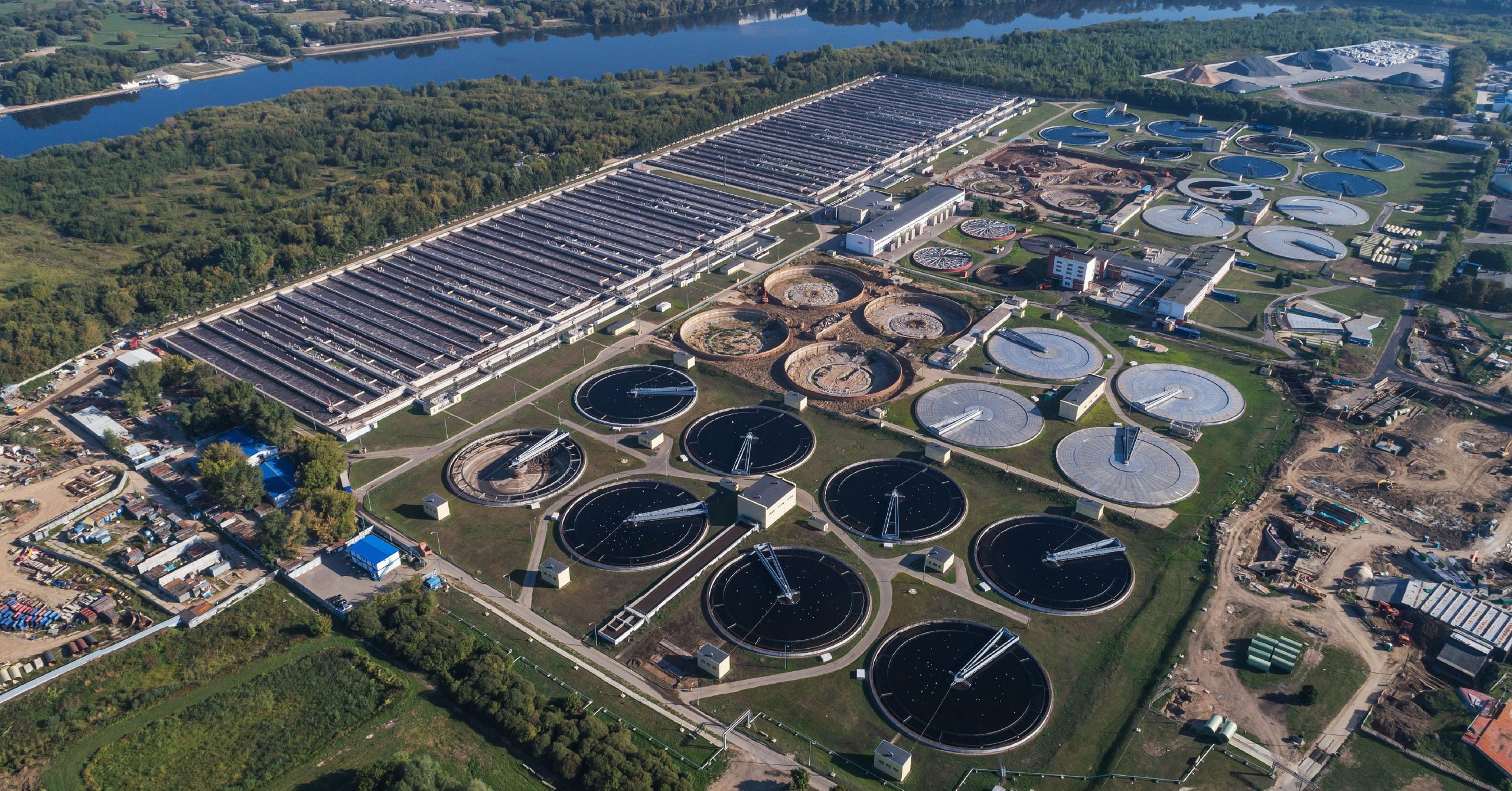
Polymers likewise boost the security of water therapy systems, permitting for even more regular efficiency under differing functional problems. Their versatility enables treatment facilities to adapt to different water more information high qualities and treatment goals, thus guaranteeing compliance with regulative requirements.
Kinds of Water Therapy Polymers
Polymers utilized in water treatment can be categorized into a number of types, each serving distinct functions and applications within the therapy procedure. The key categories include coagulants, flocculants, and dispersants.
Coagulants, such as polyaluminum chloride and ferric sulfate, facilitate the aggregation of suspended particles in water by neutralizing their charges. Flocculants, on the various other hand, advertise the development of larger aggregates, or flocs, making it possible for easier removal of fragments from water.
Dispersants are utilized to support suspensions and stop the settling of solids (water treatment polymer). By changing the surface residential or commercial properties of fragments, they enhance the efficiency of therapy procedures, especially in wastewater management
In addition, there are specialty polymers created for particular applications, such as biopolymers stemmed from natural resources, which frequently supply eco-friendly choices to synthetic choices. Choosing the ideal kind of polymer is crucial for optimizing water treatment procedures, ensuring efficient pollutant elimination, and improving overall water high quality.
Applications in Different Industries
In numerous industries, the application of water treatment polymers plays a considerable function in boosting performance and effectiveness in handling water high quality. These polymers are used in metropolitan water therapy facilities to aid in coagulation and flocculation processes, consequently boosting the elimination of debris and impurities. In the oil and gas sector, water treatment polymers assist in managing produced water, guaranteeing the risk-free disposal and recycling of water while lessening ecological influence.
In addition, the textile market utilizes water therapy polymers to promote dye removal and wastewater purification, important for satisfying stringent regulative criteria. water treatment polymer. In the food and drink field, these polymers are essential in guaranteeing the security of water used in production processes, adding to item high quality and compliance with health regulations
In addition, try these out the mining sector gain from water treatment polymers, which are made use of to lower water use and enhance the recovery of beneficial minerals from ore. Overall, the flexibility and performance of water treatment polymers across these varied applications highlight their important role in advertising lasting methods and safeguarding water sources in contemporary industrial procedures.

Future Trends in Water Treatment
Emerging patterns in water treatment are progressively characterized by the assimilation of advanced modern technologies and ingenious products. water treatment polymer. The adoption of clever water administration systems, which utilize real-time data analytics and IoT devices, is reinventing the way water top quality is kept an eye on and handled. These systems enable early discovery of pollutants and maximize treatment procedures, leading to improved performance and decreased functional prices
Furthermore, making use of water treatment polymers is acquiring grip as they offer considerable benefits in flocculation, sedimentation, and purification processes. These polymers assist in the elimination of pollutants at lower does, therefore reducing chemical use and ecological influence. The development of naturally degradable and eco-friendly polymers is also ending up being a crucial emphasis, straightening with global sustainability goals.
Furthermore, innovations in membrane layer technology, such as nanofiltration and reverse osmosis, are enhancing the removal of micropollutants and supplying safe and clean water from unique resources, like link salt water and wastewater. As regulatory frameworks evolve and public demand for clean water heightens, these patterns are anticipated to shape the future landscape of water treatment, promoting a much more sustainable and durable method to water resource management.
Conclusion
To conclude, water treatment polymers are important components in modern ecological remedies, dramatically boosting water purification processes with boosted coagulation and flocculation. Their capability to minimize chemical use while properly eliminating impurities emphasizes their value in accomplishing regulative compliance and sustainability objectives. As sectors proceed to prioritize clean water access, the recurring advancement and application of these polymers will play a vital role in addressing the obstacles of water treatment and environmental management in the future.